











 Database Development
































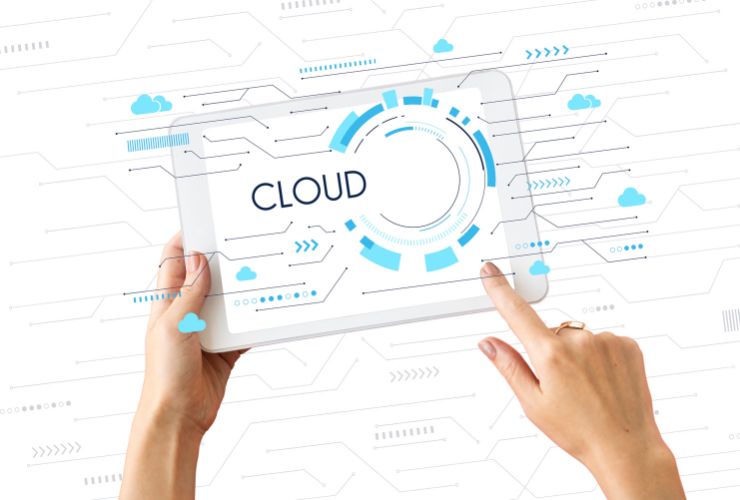
In a rapidly evolving digital world, companies continuously pursue new methods for enhancing efficiency, minimizing expenses, and remaining competitive. One of the major transformations witnessed over the last few years has been in the use of cloud-based solutions and applications.
From companies starting from scratch to organizations that have been around for decades, all are leveraging Cloud Technology to streamline processes, enhance communication and collaboration, and create flexible and scalable solutions. The advantages of cloud computing extend well beyond simply having extra storage capacity. Cloud solutions allow for high-performance capabilities, the ability to be flexible in their approach, and are secure.
In this article, we will examine the reasons that businesses are transitioning to the cloud, the benefits of developing applications using the cloud, and how this is allowing businesses to expand.
1. Cost Reduction and Efficiency
Cloud-based applications are being adopted primarily due to cost. With traditional IT infrastructure, there are high upfront costs associated with hardware, maintenance and upgrades.
On the other hand, cloud infrastructure services allow businesses to operate on a pay-as-you-go model — meaning there is no need for huge upfront investments.
Benefits:
- There are no hardware costs
- Less maintenance
- Flexible pricing structure
As a result, cloud operations mean fewer costs associated with running a business and increased operational efficiency.
2. Scalability and Flexibility
With cloud-based solutions, businesses are able to scale their infrastructure resources as they need them based on demand.
Why Scalability is Important:
- Support growth
- Be prepared for fluctuating traffic
- Be able to avoid downtime
The flexibility and scalability of cloud system benefits mean businesses are free from the constraints associated with having to grow their organization due to infrastructure restrictions.
3. Improved Security Measures
New cloud security solutions have become sophisticated enough to protect against many types of security threats effectively dead
What are the key features of this?
- Data Centre Host
- Data Encryption
- Multi-Factor Authentication
- Constant Upgrades
The majority of cloud service providers place a high priority on providing secure technology as they make their investments.
4. Greater Speed and Performance
Optimizing cloud performance means more rapid loading of applications and a higher level of operational efficiency for those applications
What advantages does this provide?
- Less Latency
- Faster Processing
- Faster User Experience
All of the above contribute to increased overall productivity and enhanced satisfaction from customers using those applications.
5. Greater Ability For Remote Access And Collaboration
The cloud allows teams to collaborate and work from virtually anywhere
What advantages do you get from this?
- Ability To Collaborate In Real-Time
- Support For Remote Working
- Increased Productivity
This allows businesses with workers geographically scattered (e.g., hybrid
or remote working).
6. Automatic Upgrades And Maintenance
Cloud providers offer upgrades as an automatic function of the cloud service
What advantages does this provide?
- Always Being Up-To-Date
- Reducing The Burden On Your IT Staff
- Improving Operational Efficiency
Allows your organization to focus its time on growing instead of having to spend time maintaining.
7. Rapid Deployment Of New Applications
With cloud app development, businesses have the ability to quickly
implement new applications.
What advantages do you receive from this?
- Shorter Development Time
- Shorter Time-To-Market
- Competitive Advantage
Cloud simplifies both of these processes to make them easier to implement.
8. Disaster Recovery And Backup
Backup systems for cloud services have been proven to provide reliable backups.
What advantages do you get from this?
- Automated Backups
- Immediate Restore
- Data Redundancy
Having a reliable backup system ensures your organization will continue to be able to function even in the event of an unexpected outage.
9. Integration With New Emerging Technologies
The cloud makes it easier to bring together all technologies, such as:
A.I.; IOT; And Big Data.
Technology innovation is key in this environment and will continue to help businesses remain competitive.
10. Eco-Friendly Solutions
Cloud computing reduces the need for physical hardware, lowering energy consumption.
This makes cloud transformation environmentally friendly.
Competitive Advantage:
Cloud computing enables a business to innovate faster and adapt to changes in the marketplace.
Global Reach:
Cloud computing allows businesses to provide services to customers globally without needing additional infrastructure.
Pay-as-You-Go:
With the pay as you go model of cloud computing, companies only pay for the services they use, resulting in greater financial efficiency.
Enhanced Customer Experience:
Because of faster response times and higher availability of applications, clients will have a better overall experience.
Easy Integration:
Cloud technology allows businesses to easily integrate with their existing systems and tools.
Conclusion
Cloud-based solutions are revolutionizing how companies do business with cost savings, scalability, and security at the forefront. Business will experience enhanced efficiencies and reduced costs through cloud computing, as well as an improved customer experience.
Companies that adapt to cloud transformation now will be better positioned for future growth and development.
Ready to move your business to the cloud?
Partner with E Edge Technology for expert cloud migration services, cloud application development, and cloud infrastructure solutions.