







 Database Development

























Digital Transformation in Health Care Industry: Major Changes and Trends
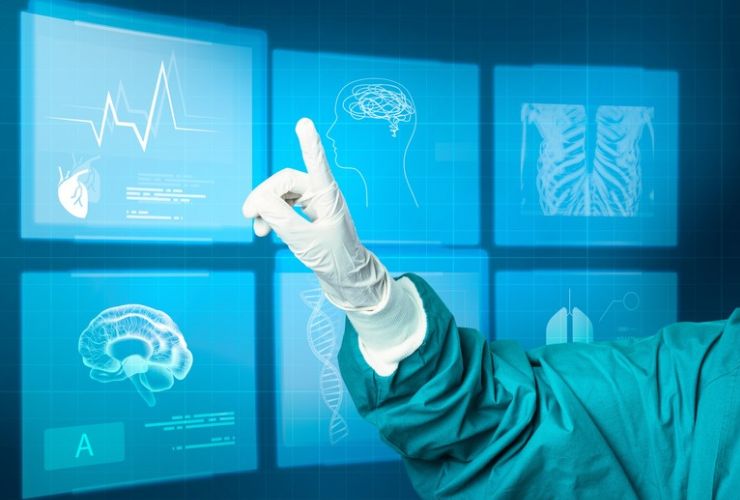
The healthcare industry has been through a dramatic transformation with the increase of new technologies. Due to these advances, healthcare providers have begun using smarter IT solutions that enhance patient care and improve productivity and efficiency in clinical operations.
Modern healthcare technology such as cloud computing and artificial intelligence have allowed hospitals, clinics and other healthcare facilities to provide better, faster, more accurate and better-connected care to patients in every country around the globe. By leveraging the right IT solutions, organizations can improve patient outcomes, decrease costs and develop more efficient healthcare delivery systems.
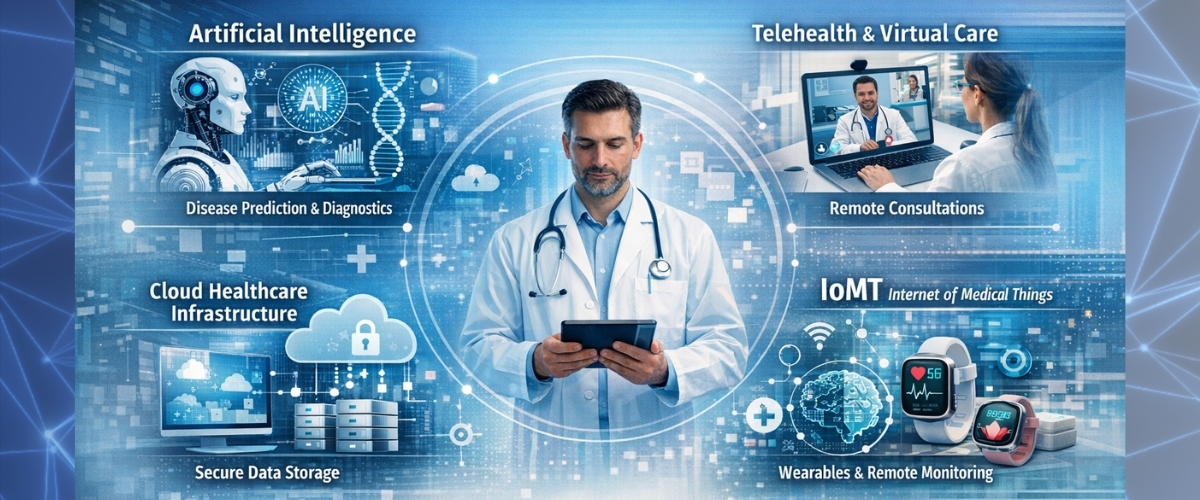
Here are some of the major healthcare technology trends that will affect the future of the healthcare industry.
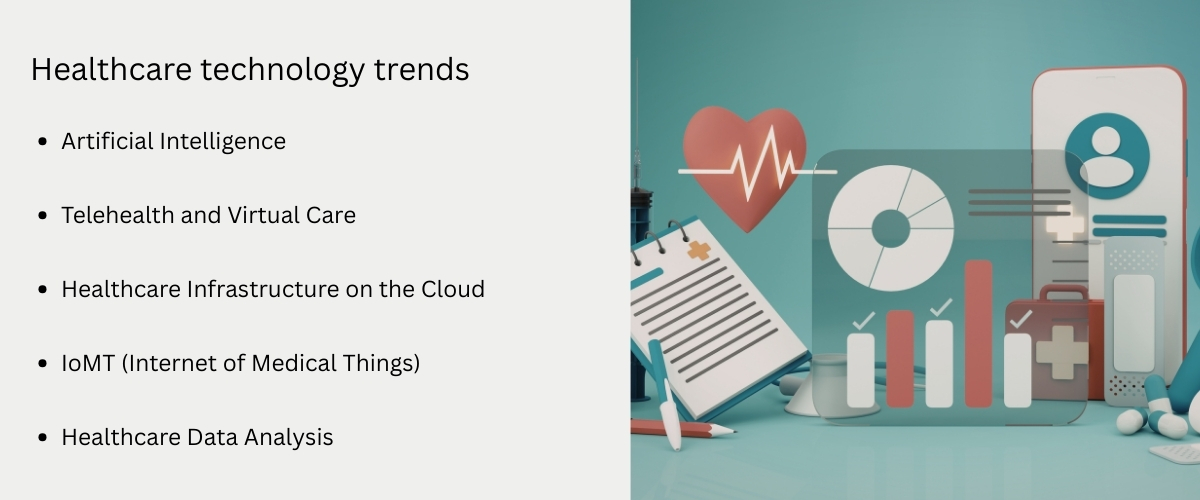
1. Artificial Intelligence in Healthcare
AI is one of the fastest-growing technologies in the healthcare industry, allowing for the processing and analysis of large amounts of healthcare data to identify trends and assist physicians in providing quicker, more accurate decisions.
Healthcare organizations are incorporating AI in providing disease predictions, assisting with the analysis of medical imaging, and creating tailored treatment plans to help the physician diagnose conditions sooner and provide improved care to patients.
AI also streamlines various administrative tasks such as recording medical information, managing appointment schedules, and organizing patient records, which helps healthcare providers spend more time on direct patient care.
Some of the most important advantages of AI in healthcare are:
- Identifying diseases earlier using predictive analytics
- Utilizing AI for diagnostics via medical imaging
- Providing recommendations for treatment customized to each patient
- Providing assistance with decision-making more quickly
- Automating many routine administrative tasks
- Improved monitoring of patients and better outcomes of patient care
2. Telehealth and Virtual Care
Virtual Health Services and Telehealth will change the way we connect with our healthcare provider & how we receive care through consultations without ever setting foot in an office or facility.
Through telemedicine providers can offer Video consultation through their Telemedicine platform, have access to a secure digital medical record, and communicate directly with their patients (typically through a call, text, or email). Telemedicine has improved access to healthcare to those who may not be able to get to a provider for various reasons such as transportation challenges, or for those who live far away from their healthcare providers.
Telehealth can also help providers become more efficient in their operations by allowing them to provide care to more patients at a faster pace thus reducing the administrator burden on their staff.
Top 5 Benefits of Telehealth are as follows:
- Secure doctor consultation via video appointment
- Greater accessibility to care
- Decreased patient wait times and visits to the hospital
- Ability to obtain a digital prescription and schedule appointments via video
- Ease of access to healthcare in remote areas
Increased patient satisfaction and convenience with the process of telehealth services.
3. Healthcare Infrastructure on the Cloud
Cloud-based technology is critical to modern-day healthcare information technology (IT) systems – providing hospitals and clinics with the ability to securely store, share, and access patient information from anywhere.
Utilizing a cloud-based infrastructure allows for improved collaboration among different healthcare professionals, secure sharing of data, as well as the development and use of advanced applications in healthcare.
Cloud computing has also enabled healthcare organizations to grow their IT infrastructure easily, while also decreasing costs associated with hardware and support and maintenance.
The Key Benefits of Cloud-based Healthcare Solutions include:
- Secure Patient Data storage
- Simple Provider-to-Provider Data Sharing
- Scalable and Flexible IT solutions
- Decreased IT Support and Maintenance expenses
- Quick Access to Patient Records
- Better Collaboration Among Healthcare Professionals
4. IoMT (Internet of Medical Things)
IoMT, or the Internet of Medical Things, connects medical devices, wearable devices, and healthcare systems via the internet. These connected devices continuously collect patient data and transmit that information to healthcare providers.
Examples of connected devices include the use of wearables (such as heart monitors), smart sensors (such as blood pressure monitors), and remote monitoring devices (such as hospital beds). As these devices continuously monitor a patient’s condition, providers can quickly identify variations in health status and provide timely and ongoing disease management.
IoMT also supports remote patient monitoring and thus reduces the need for patients to visit their provider frequently while also providing improved care to the patient.
Key Benefits of IoMT in Healthcare:
- Real-time patient health monitoring
- Remote patient management
- Early detection of health issues
- Better chronic disease management
- Continuous tracking of patient health data
- Faster medical response and proactive care
5. Healthcare Data Analysis
Every day tons of data from health care facilities is produced, and there are many systems built for analyzing and leveraging this information to help improve the performance of doctors with their patients through advanced analytics systems.
The analytic tools allow providers of care to see health trends across their patient population, implement better treatments, and optimize their use of resources in the hospital. Predictive analytics also helps to identify the potential for a serious health risk prior to it becoming a major complication.
Health care facilities can use the insights generated from data-driven analysis to increase the quality of patient care and improve the efficiency of their operations.
The benefits of using healthcare analytics include:
Clinical decisions made based on data; generating better treatment plans; being able to give better idea of what the patient outcome will be; efficiently manage hospital resources; identify trends and risks in healthcare; and increase operational efficiency.
Final Thoughts
The healthcare sector is experiencing unprecedented evolution in technology. Many significant advancements such as artificial intelligence (AI), telehealth, cloud computing, the Internet of Medical Things (IoMT), and big data analytics are transforming how providers deliver services to patients, manage operations, and make informed choices with the data they collect.
Providers who take advantage of these cutting-edge technologies will be well positioned to provide their patients with high-quality care, become more efficient than ever before, and remain competitive as they move into a more digitally-driven healthcare ecosystem.
Working with an experienced partner to implement new technologies will help healthcare organizations achieve their goals and reach their maximum potential through digital health.
Contact Us Today