












 Database Development




































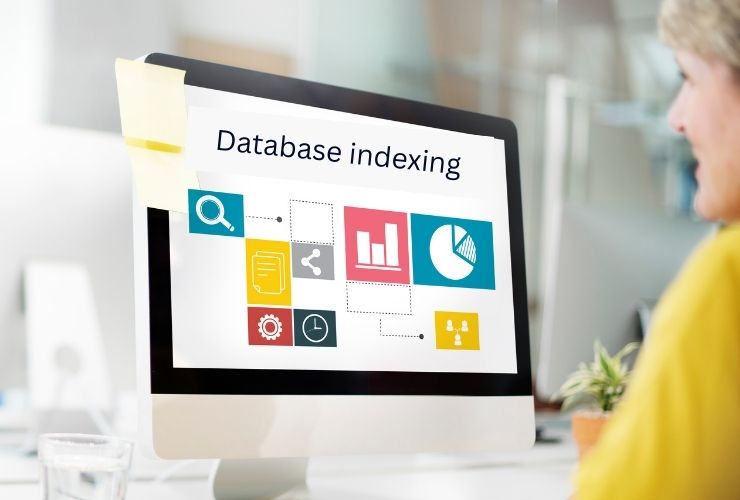
The performance of a database is one of the main factors affecting application latency, scalability, and user experience. As your data expands, it’s commonplace for queries to take longer—resulting in latency, strain on server resources, and poor performance that eventually affects both developers and users. Of all the methods of performance tuning, the single most effective way of speeding up database operations is through indexing.
When leveraged correctly, indexes can significantly reduce query execution time, improve filtering and sorting performance, and enhance overall database performance. In this comprehensive guide, we will discuss some of the best indexing techniques, when you can apply them, and how they can help towards long-term database performance optimization.
What Is Indexing and Why Is It Important?
Indexing is the process of establishing a distinct structure of data that will assist the database engine to find individual rows in a quicker manner—like an index in a book that helps you find a specific page without flipping through every page of the book.
The downside of not having an index properly configured are:
- Slow query execution
- High CPU and memory consumption
- Inefficient JOIN execution
- Poor sorting and grouping
- Slow application responsiveness
- Bottlenecks during peak traffic
Overall, indexes will enhance read-heavy workloads, provide an improvement in searching and vastly improve scalability as the data size expands.
Different Types of Indexes and When to Use Them
Understanding the different types of indexes is vital to building a fast and efficient database.
1. Primary Index
A primary index is automatically created on the primary key of the table.
Best used for:
- Fast lookups based on unique identifiers
- Maintaining data integrity
Use it for: If you have fields like id, customer_id, email, order_number.
2. Secondary (Non-Clustered) Index
A secondary index speeds up queries on columns other than the primary key.
Best used for:
- WHERE clause filtering
- Search fields used often
- Sorting and grouping
Common examples: status, category, created_at, type.
3. Composite Index
A composite index consists of two or more columns.
Best used for:
- Multi column search conditions
- Multi column JOINs
- ORDER BY / GROUP BY on multiple columns.
Important Rule:
Column order matters.
Always put the most selective (unique) column first for maximum efficiency.
4. Unique Index
A unique index guarantees that there are no duplicates in the column(s) indexed
Best used for:
- For cases like email, username, phone_number.
- Speeding up equality lookups.
- Ensuring clean, accurate data.
5. Full-Text Index
A full text index is used for complex searches on larger text-based content fields.
Best used for:
- Searching for keywords in blog posts, descriptions, documents.
- Natural language style searches.
- Relevance based searches.
6. Partial (Filtered) Index
Created on specific rows that meet certain conditions.
Best for:
- Large tables with selective queries
- Filtering by a repetitive column value (e.g., active = 1)
- Reducing index size while maintaining speed
Best Indexing Methods for Enhanced Performance
The following are the most effective strategies for improving the indexes of your database, which, in turn, will speedup execution and support greater scalability.
1. Index Columns Appearing in WHERE Clauses.
Slow queries result from full table scans when filtering columns are missing a database index.
Indexing filtering columns will:
- Decrease search time
- Bypass rows without context
- Result in a large processing speed-up
2. Index Columns Appearing in JOIN Conditions.
JOIN operations scan the rows of the tables in a recursively compared manner relying on the join key values. The absence of an index in the join keys requires the database engine to scan the full length of both tables so as to compare every row of the table.
With the appropriate index:
- Joining can substantially improve speed
- Execution plans will improve
- Load on the server will decrease
3. Do Not Over-Index
More indexes do not mean more performance.
Indexes have a tendency to slow down:
- INSERT operations
- UPDATE operations
- DELETE operations
Read performance must always be placed against write overhead, if there exist practical thresholds for heavier read transactions.
4. Covering Indexes for Frequently Executed Queries
A covering index is one that encompasses all of the indexed fields needed to complete the query outside the outer index. This means that the database engine does not have to read the whole records or tables for the columns needed for the output.
Advantages include:
- No unnecessary table lookups by their table definitions
- Good for any queries executed often
- Helpful for workloads like reporting or analytics
5. Keep Indexes Small and Efficient
An index with large keys uses more memory and decreases the index optimizer speed.
Using smaller data types when possible can assist in reducing the loads of data in indexes:
- Prefer INT instead of BIGINT
- Use VARCHAR(50) instead of VARCHAR(255)
- Avoid using indexes.
Common Indexing Mistakes to Avoid
Avoid these common pitfalls to keep your database lean and fast:
- Indexing every column unnecessarily
- Creating indexes in the wrong column order
- Using large text fields as index keys
- Adding overlapping or redundant indexes
- Skipping index rebuild/reorganize tasks
- Not analyzing query execution plans
Proper care and planning help maximize index effectiveness.
Conclusion
Indexes are essential for achieving fast, efficient, and scalable database performance. By implementing the right indexing strategies, you can:
- Reduce query execution time
- Improve user experience
- Decrease CPU and memory load
- Scale applications effortlessly
- Enhance overall reliability
Whether you’re managing a large enterprise system or a growing web application, smart indexing is one of the most effective ways to unlock peak database performance.
Contact Us Today