










 Database Development



























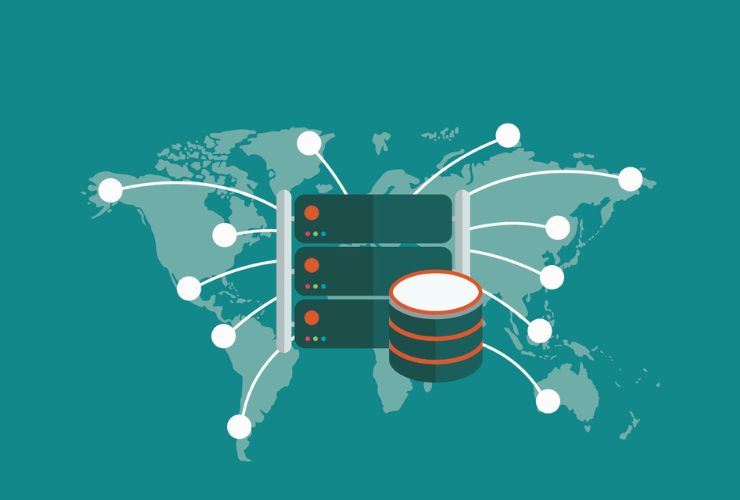
Transferring a huge database is one of the biggest difficulties we face in the IT field because the volume of data can sometimes be several hundred gigabytes (or tb’s). With these types of projects, there is an increased risk of downtime or data loss as well as significantly increasing application performance time due to the sheer volume of data moving at once. Since critical processes in a “modern” business rely heavily on real-time access to data, there should not be any form of disruption.
With that said, our objective is to move as large a database as possible while maintaining no or little effect on system performance.
This document outlines the best methods, methods that have been demonstrated to be successful, and techniques from an industry expert to migrate your database to be effective and without an impact on performance.
1. Clear Migration Strategy
All large-scale migrations should have a strategy that is clearly defined. Migrating data without a plan in place, or not taking the time to plan appropriately, can lead to migration failure.
A good strategy will address the following areas:
- The type of migration: Lift-and-shift, re-platforming, or re-architecting.
- The destination environment of the migrated data: Cloud, hybrid cloud, or an on-premises environment.
- The requirements for the migration: Performance, security, compliance, and uptime.
- The schedule for the migration: Peak vs. off-peak hours.
- A rollback process if something goes wrong during the migration.
Through a structured strategy, the likelihood of surprises is minimized, and predictable performance is maintained during the migration process.
2. Use Zero-Downtime Migration Strategies
Many large organizations prefer zero-downtime migration strategies to keep their applications running smoothly during the migration process. Some of the most reliable zero-downtime strategies include:
• Database Replication
Use database replication to create a real-time copy of your source database in your target system. Once the two databases have synchronized, change the application’s routing from the source to the new database.
The most common types of replication include:
- Logical replication
- Change data capture (CDC)
- Streaming replication
• Blue-Green Deployment
The Blue-Green Deployment technique has two identical environments—one that is actively receiving traffic, and one that is not. This allows you to seamlessly transition to the new environment once it’s synchronized.
• Incremental Data Synchronization
With incremental data synchronization, you can continue working while your data is migrated in relatively small batches rather than as a single large set.
All three of these techniques provide consistent performance with minimal service interruptions during the migration process.
3. Optimize and Clean Up Data Before Migration
Large databases often include outdated records, redundant databases, and excessive backup logs. Migrating outdated records increases the load on the receiving system and reduces database performance.
The most effective way to prepare your database for migration is through thorough cleaning:
- Remove all obsolete records.
- Archive all historical data.
- Remove all duplicate records.
- Remove any unused indexes.
- Compress your larger databases into single records.
- Optimise your table structures.
With a cleaner database, the speed of the migration will be greater than with a disorganized database; therefore, the performance and efficiency of the new system will also improve.
4. Choose the Right Tools for Large-Scale Migration
The successful completion of your database migration is directly related to the tools you choose to perform the migration.
Commonly used tools for database migration of large databases are:
- AWS Database Migration Service (AWS DMS)
- Azure Database Migration Service
- Google Database Migration Service
- Oracle GoldenGate
- Percona XtraBackup
- pg_dump + pg_restore (for PostgreSQL)
- Data Replication and ETL tools
The following should be considered when selecting your tool:
- Support of the target database engine(s)
- Ability to perform real time replication
- Ability to verify that the data remains consistent during the migration process
- Effect on the performance of the source system
- Level of automation during the migration
- Cost and scalability
When the right tool is used, you can expect to save 40% to 60% of the time it would take to migrate the database.
5. Perform Schema Migration Before Data Migration
A common mistake is trying to migrate schema and data together. This increases load and may cause performance delays.
Best practice:
Migrate schema first → Validate schema → Then migrate large datasets
This ensures:
- Better structure compatibility
- Reduced transformation overhead
- Fewer errors during real-time replication
- Enhanced performance during heavy data transfer
6. Use Parallel Processing and Bulk Loading
To maintain performance during migration, adopt techniques that accelerate data movement with minimal locking.
Parallel Processing
Split large tables into chunks and migrate them simultaneously.
Bulk Loading
Use bulk insert operations that are optimized for heavy data ingestion.
Benefits include:
- Faster transfer speeds
- Lower CPU and memory consumption
- Reduced pressure on the live database
Most modern databases support parallelism and optimized import/export mechanisms—use them wisely.
7. Create a Strong and Diverse Testing Plan
When migrating an extremely large database to a new production environment, you must perform multiple test rounds. The following are the primary ways to test the performance of the migrated database:
- Functional Testing (ensures that all the queries, triggers, and stored procedures are working correctly)
- Performance Testing (determines whether or not there has been an impact on response time)
- Load Testing (verifies how the new environment will perform when receiving the anticipated traffic)
- Data Validation (compares both the source and target records to ensure that they are accurate)
- Rollback Testing (ensures that rollback is possible, and in the event of a failure)
Using a properly developed test plan will minimize the chance that there will be any downtime during the migration and ensure that the overall performance of the newly migrated database will remain stable once complete.
8. Watch Carefully and Create a Support System During Migration
During large-scale data transfers, it is critical to monitor performance in real time. A single bottleneck in the system can result in poor synchronization and degraded performance. Monitor:
- Utilization of CPU and Memory Resources
- Throughput of the Network
- Replicated Lag
- Locked Tables
- Performed Queries
- Input/Output of the Disk Drive
You can use monitoring software, such as Prometheus, Grafana, cloud dashboards, or utilities built into the database to identify problems early on and fix them right away.
9. Performance Tune the Target Environment After the Migration
In many migrations, post-migration performance tuning is not conducted. After the data is moved, it is essential to optimize the target environment. Here are a few examples of post-migration tuning tasks that may be conducted during your optimization phase:
- Rebuild any required indexes
- Update all statistics for your database
- Modify caching settings
- Tune the performance of the application queries
- Optimize storage and buffer settings
- Validate the security settings
By tuning the target environment following the migration, you will ensure your new
10. Finalizing the Switch with Minimal Disruption
Once the data is fully synced:
- Pause writes (if necessary)
- Sync delta changes
- Perform final validation
- Switch application connections
- Run smoke tests
- Resume full operations
If everything is planned correctly, the switch will take just a few seconds or minutes to complete with virtually no downtime.
Conclusion
Moving a large database without performance loss or degradation is not impossible, it simply requires the right plan. Successful migrations require meticulous and precise planning, on-going delta replication, incremental synchronization of the delta data changes, a thorough suite of testing and continuing to monitor the overall process. When following these best practices, the organization can migrate its large database smoothly while maintaining stability in the application environment and providing an uninterrupted experience to the user throughout the entire migration.
Whether migrating to the cloud, upgrading the database engine or re-designing the infrastructure, you can use these strategies to move large databases without any interruptions.
Contact Us Today