












 Database Development









































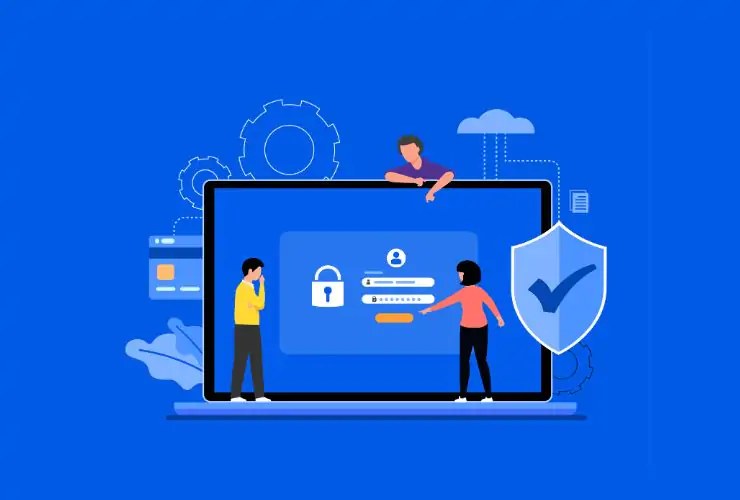
The development of a secure application is one of the most important things to consider when creating a web application today. As a developer, regardless of whether you create a SaaS platform, e-Commerce application, or create a custom API, ensuring that only authorized users have access to your application is a must. Authentication and authorization are critical components of the node.js ecosystem in securing access to the application, preventing unauthorized access, and protecting user data as well as providing safe interaction amongst all endpoints of your application.
This article will provide you with a complete reference guide on how to create an authentication and authorization framework for your node.js applications, the best tools and methods for implementing them, and security best practices for securing your applications.
What is Authentication and Authorization?
Before you create a secure authentication and authorization framework, it is crucial that you understand the concept of both authentication and authorization.
1) Authentication
Authentication is the process of verifying a User’s Identity.
Examples of authentication methods include:
- Logging in with a User’s Email Address and Password.
- Signing in using Google OAuth.
- Validating a user’s identity using a Token.
2) Authorization
Once a user is authenticated, Authorization will govern what actions or resources a User is allowed to access.
Examples of authorization include:
- Admin Users can view all the Admin Dashboards.
- Regular Users can view only their own personal data.
- A user accessing an endpoint will be restricted based on the user’s role.
Both Authentication and Authorization are essential needs in order to secure your node.js-powered Applications.
Popular Authentication Methods in Node.js
Node.js supports various ways of authenticating users, depending on the type of application to be built with Node.js.
1. Authentication Through Passwords.
This is when users authenticate their account by entering an email/username and password to sign in.
The most common ways to authenticate users with passwords are by:
- Creating a hashed version of the password using bcrypt
- Validating the entered email/username and password when signing in to authenticate.
2. JWT or Token based authentication.
JWT (JSON Web Token) is one of the most popular ways of securing modern Web APIs.
Advantages of JWT include:
- Stateless authentication
- No need to save user sessions
- Ideal for Mobile Applications and Single Page Applications.
3. OAuth (Google, Facebook, GitHub Login).
OAuth is a method of authenticating a user via a Third-Party Provider.
Most common uses for OAuth are:
- Social Login
- Enterprise Single Sign-On (SSO)
- Third-Party Integration
4. Authentication Based on Sessions.
This method utilizes cookies and sessions, which makes it a good solution for Classic Web Applications.
Securing Passwords and User Data
As you can see, security extends beyond just authenticating users. Here are some must-know best practices to follow:
- Store Passwords Securely.
Password hashing (bcrypt) is the best way to ensure your users’ passwords are stored securely.
It is recommended that you use a minimum of 10 rounds of salt (bcrypt).
- Always Use HTTPS.
Secure all communications by encrypting the data transmitted – especially during the login and token exchange process.
- Keep JWT Secrets Secure.
Never hard code your JWT secret values into source control and always store them as Environment Variables.
- Limit the Number of Login Attempts.
This will help protect against brute force attacks.
- Enable Two-Factor Authentication.
This provides an extra level of verification for all logins.
- Validate User Input.
Validating user input helps prevent SQL injection attacks, Cross-Site Scripting, and API abuse.
Authentication and Authorization: What You Need to Know
There are many ways to manage user logins in an application. There are two primary methods used in many applications today, which can be categorized into two distinct types: OAuth and OpenID Connect (OIDC) and Passport.js.
1. OAuth and OIDC
OAuth and OIDC are both methods of providing enterprise-grade authentication to users. This is typically used for applications that run on the server side, while OIDC is used for applications run on the client side. The advantage of both methods is that they allow users to log in to your site using their Google, Microsoft, and GitHub credentials, providing a seamless experience.
2. Passport.js
Passport.js is a popular JavaScript authentication library that provides over 500 different strategies for authenticating users. The most common use cases are:
- Local authentication
- Single Sign-On (SSO)
- OAuth 2.0
- API token validation
3. Multi-Factor Authentication (MFA)
MFA is a great way to enhance security and protect against unauthorized access to your application. Users can use SMS, email, and/or an authentication app to provide an additional layer of security.
Common Mistakes Developers Make
To ensure that your Node.js application remains secure and scalable, here are some common mistakes developers make:
- Storing plain-text passwords
- Not expiring JWT tokens
- Sending tokens as part of an API URL
- Not using HTTPS
- Using weak hashing algorithms
- Hardcoding secrets into the application code
If developers can avoid these mistakes, they will have a secure and scalable application.
Contact Us Today