










 Database Development





























The digital-first business world and market require fast-acting businesses that can keep their costs down while still growing rapidly. However, the traditional IT infrastructure has not changed significantly over time and does not provide enough flexibility to support the ever-changing demand of businesses today, resulting in extremely high capital investments associated with building and maintaining the traditional IT infrastructure, and requiring expensive upgrades.
Cloud computing, however, has provided an opportunity for many businesses to reduce the total cost of operation, while allowing those businesses to scale their operations quickly.
Therefore, for businesses that want to be competitive today, the adoption of cloud technology should not be seen as merely an option; rather, cloud technology should be viewed as a critical component of the strategic future operations of any business.
The concept of Cloud Computing
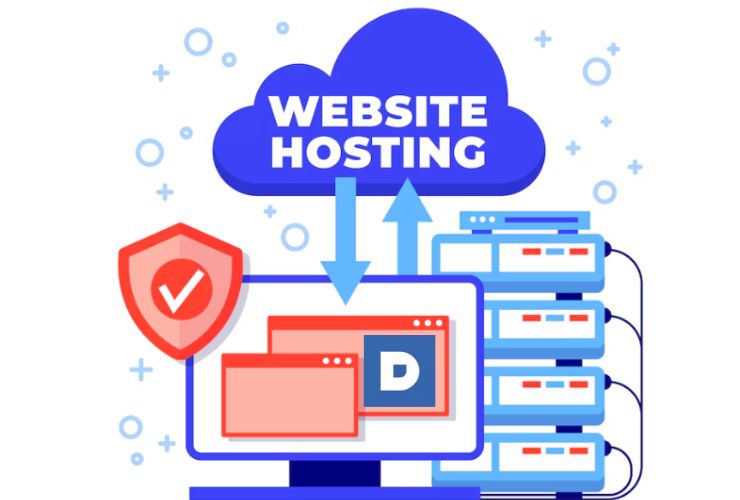
The concept of cloud computing refers to the delivery of computing services (servers, storage, databases, networking, software, etc.) over the internet (the “Cloud”). Instead of having to maintain the necessary on-premise infrastructure, businesses can now obtain computing resources as needed and only pay for what they use.
By moving away from CapEx (Capital Expenditures) and toward OpEx (Operational Expenditures), organizations can more effectively control their budgets while also increasing their overall performance and reliability.
How Cloud Computing Decreases Information Technology Expenses
1. No Large Hardware Purchases
In traditional information technology environments you must buy servers, network devices, cooling systems, and physical storage devices. Ultimately, the initial costs of these items are hard on a startup and growing businesses.
However, cloud computing allows for the deployment of applications without purchasing expensive hardware (your investment can then go towards innovation and business growth).
2. Pay As You Go Model
Cloud services were designed with flexible pricing; you are only charged for the resources used (this avoids over-provisioning — buying hardware that is not needed — and cuts down on the buying of unnecessary items).
3. Less Costly Maintenance
Maintaining on-premise systems requires many people to support information technology; regular updates, installation of security patches, and the replacement of equipment.
When using a cloud provider all of the following are included:
- Upgrades of the system; monitoring for security
- Management of the Infrastructure
- Backup / Disaster Recovery.
These services equate to a major reduction in your information technology labor expenses, allowing your internal information technology staff to focus on major initiatives and not be consumed by day-to-day maintenance tasks.
4. Lower Energy Consumption
Physical data centers use a significant amount of power for their servers and cooling systems.
Cloud environments are designed to operate based on the available resources, allowing for lower energy usage, and therefore the ability to run at lower operational costs and help meet sustainability goals.
5. Built-In Disaster Recovery
Unexpected outages, cyberattacks, or natural disasters can result in massive financial losses.
Cloud platforms provide automated backups and rapid recovery solutions, ensuring business continuity without requiring companies to invest in expensive secondary data centers.
How Businesses Improve Their Scalability Via Cloud Computing
1) Immediate Scaling of Resources:
Business activity changes from day to day based on factors like seasonality, product launches, and company growth.
Cloud-based infrastructure allows businesses to scale up or down to meet fluctuations in demand. Businesses can respond to a sudden influx of customers on their websites or expand into new markets with little or no lag time.
2) Business Growth Support:
As a business grows, its technology requirements change. Traditional technology infrastructure is typically a roadblock for technology improvements due to the need for expensive upgrades.
Cloud computing allows businesses to expand long-term, offering nearly limitless computing power and storage. As a result, technology will not impede business success.
3) Faster Deployments:
Since hardware must be installed and configured before an application or service can be launched, businesses may take weeks or months to deploy new applications or services. With cloud-based solutions, deployment can occur within minutes. This speed helps businesses innovate faster and respond faster to new opportunities.
4) Remote Work and Collaboration:
Today’s workplace does not have to be a physical location.
With cloud-based software, teams can access data and applications securely, no matter their location, which improves the productivity and collaboration of teams at different sites.
This type of flexibility is particularly useful for businesses with hybrid and/or remote workforce models.
5) Better Performance and Reliability:
Cloud service providers operate many data centers throughout the world and provide high uptime guarantees.
High uptime guarantees provide businesses with the following benefits:
- Faster loading of pages on websites
- Improved performance of applications
- Less downtime of applications
This ensures a consistent user experience while strengthening customer trust.
Strategic Benefits to Cloud Adoption that go beyond cost and scalability
In addition to cost and scalability, Cloud provides businesses with a number of competitive advantages.
Increased Security
Clouds, contrary to popular belief, typically provide a higher level of security than traditional infrastructure. With technologies such as encryption, identity management, and real-time monitoring, sensitive data is protected in the Cloud.
Improved Data-Driven Decisions
Many Cloud-based applications integrate well with data analytics and AI tools to allow businesses to use their data to make better-informed decisions.
Competitive Advantage
By leveraging Cloud technology, businesses can innovate more quickly, release products sooner, and respond more quickly to changing customer demands.
Is Cloud Computing right for your business?
Adoption of Clouds is a good strategy in nearly every industry (from Healthcare to Finance to Retail to Manufacturing). However, your specific strategy will be determined by your business objectives, workloads and long-term vision.
The type of Cloud that your company typically builds consists of:
- Public – A cost-effective option with the ability to scale
- Private – More control and security than a Public Cloud
- Hybrid – Combines the flexibility of Public Cloud architecture with the ability to customize to suit your organization.
Working with a qualified provider of technology solutions will facilitate a smooth transition to the Cloud with reduced risks.
The Cloud is Transforming Business in India
India is witnessing an accelerated pace of digital change due to the rising prevalence of internet access, the expansion of new businesses, and government policy initiatives encouraging the adoption of technology.
Companies are realizing that using cloud computing enables them:
- Simplify their infrastructure
- Increase operational productivity
- Expand without worrying about the expense
- Compete globally.
The cloud gives equal opportunity to both small and medium-sized businesses to receive enterprise-level capabilities at a low cost for these companies.
How E Edge Technology Can Assist You
Cloud infrastructure requires significant amounts of planning, experience in migration, and continuous enhancement to optimize and protect your cloud experience; working with an experienced technology partner will help you ensure a secure, efficient, and objective-aligned move to the cloud.
E Edge Technology provides customized cloud services, tailored to provide:
- Optimization of technology spending.
- Improvement of overall systems performance.
- Flexibility to grow without limits.
- Strong protection of confidential data.
The right plan for either migrating legacy applications, or building cloud-native applications will provide you with the chance to develop new revenue opportunities.
Summary
Cloud computing is fundamentally transforming how organizations do business by providing organizations with a unique value proposition combining cost savings and scalability. Today, organizations no longer have to sacrifice performance for affordability: organizations can achieve both by selecting the right cloud approach.
Storage technology and cloud solutions will continue to evolve into the future of business, with organizations adopting cloud solutions being in the best position to drive their success as their performance evolves.
Investing in the cloud today is not just about reducing IT expenses—it is about building a future-ready business.
Contact Us Today