











 Database Development
































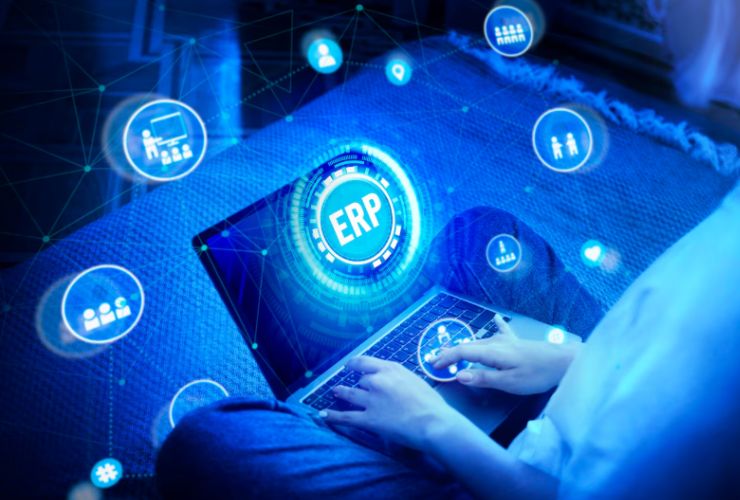
In the current rapidly-evolving digital world, organizations require more than just centralized information systems; they are seeking intelligent solutions that can automate, act as decision-making engines, optimize workflows, and enable growth. This is where integration of modern ERP with AI and automation can make a significant difference.
AI-enabled ERP systems are not simply moving to the next step in traditional data processes; they provide predictive analytics, automate manual labor, and integrate smoothly with business applications. It is now essential to AI-enable ERP systems as businesses undergo digital transformation; doing this is less of an option and more of a strategic priority.
In this blog post, we will discuss how AI and automation are transforming ERP systems, advantages of intelligent integration, and the future of ERP in an automated world.
Why ERP Integration with AI and Automation is Beneficial
Traditional ERP systems are efficient in managing data but often face challenges such as:
- Manual entry of data
- Inefficient workflows
- Limited visibility
- Complex integrations
- Error-prone processes
AI and automation are effective approaches to these challenges, making the ERP system smarter, faster, and more adaptable. Organizations can advance the entire operating ecosystem by using predictive modeling, machine learning, and automated workflows.
1. AI-Enhanced Data Management and Decision Making
Today’s ERP integrations leverage artificial intelligence (AI) and machine learning (ML) algorithms to analyze massive quantities of information. This enables organizations to:
- Anticipate trends based on historical data
- Spot inefficiencies and bottlenecks
- Automate repetitious decision-making
- Report on issues in real-time to assist with better planning
For example, an AI-enabled ERP can monitor inventory levels to predict demands, avoid stockouts and minimize overstock costs without any human involvement.
2. Automated Workflows for More Efficient Processes
Workflow automation is one of the biggest leaps forward in the modernization of ERP systems. Repetitive tasks such as:
- Using approval processes
- Data entry
- Reports
- Invoice processing
- Fulfilling orders
…can now be automated using business rules and AI models. Automation enormously speeds up processes, removes human error, and allows teams to actually work on strategy rather than been burdened by manual tasks.
3. Seamless Integration Across Other Business Systems
ERP systems no longer function in a silo. Modern day organizations leverage multiple platforms such as:
- CRM
- HRM
- Supply chain management
- Accounting software
- eCommerce Systems
- Business Intelligence Tools
AI-enabled integration facilitates communication between each of these systems. Data flows in real time across the business ecosystem and remains synchronized via intelligent APIs and Middleware.
4. Predictive and Prescriptive Analytics for Better Planning
AI allows ERP analytics to be transformed into predictive and prescriptive tools that can be powerful.
Predictive analytics provides understanding about:
- sales for the future
- customer behaviors
- supply chain risks
- trends with inventory
Prescriptive analytics helps with decisions about:
- actions to take
- resource allocation
- reducing operational costs
- optimizing logistics
This leads to remarkable data-driven business strategies that are proactive rather than reactive.
5. Better Customer Experience AI-Driven ERP
Customer demands are greater than ever, so AI-Driven ERP helps companies meet customer demands for personalized experiences.
AI can track customer behaviors, analyze support history, and offer suggestions such as:
- product recommendations
- speed of response
- optimized delivery
- order tracking
When ERP systems interact fluidly with Customer Relationship Management or Ticket systems, the customer experience is streamlined.
6. Better Security and Fraud Detection
Modern ERP systems are designed with intelligent security features that include:
- AI-based threat detection
- Anomaly monitoring
- Automated fraud deterrents
- Predictive risk assessment
Through machine learning, unusual transaction patterns can be detected, and the system alerts administrators of the transaction before it cost the company.
7. Enhancing ERP with Cloud-Based AI Integration
The migration of organizations to cloud ERP products such as:
- SAP S/4HANA
- Microsoft Dynamics 365
- Oracle Cloud ERP
- NetSuite ERP
has provided businesses a more streamlined way to look to integrate AI and automation into organization operations.
Cloud ERP provides:
- More processing power to support AI workloads
- Continuous updating
- Fewer complications with API integration
- Improved scalability
- Lower upfront fixed costs
Organizations are able to transform legacy ERP systems without the need for significant investments in analytics and infrastructure.
8. Examples of AI & Automation in ERP
Manufacturing
- Predictive maintenance
- Automated procurement
- Inventory forecasting
Finance
- Automated reconciliation
- Fraud detection
- AI-based financial reporting
Retail
- Personalized recommendations for the customer
- Smart inventory management
- Omnichannel order fulfillment
Supply Chain
- Predictive logistics
- Route optimization
- Automated vendor management
AI-powered ERP integration is fundamentally transforming every department and industry.
9. Key Benefits of Modern ERP Integration with AI
- Faster operations
- Less manual work
- More accurate data
- Lower overall costs of operations
- Real-time data aggregates for business use
- Increase in customer satisfaction
- More security
- More natural transformation on a scalable level.
Organizations that use ERP systems in conjunction with AI automation in other parts of the organization are more competitive, agile, and flexible in existing and new markets.
Conclusion
Modern ERP integration with AI and automation is changing how organizations operate today. Using AI for automated workflows, predictive analytics, intelligent decisions and a fully integrated seamless system benefits the organization. Businesses that adopt this modernization today will be the leaders of tomorrow’s digital-first landscape.
Contact Us Today