












 Database Development



































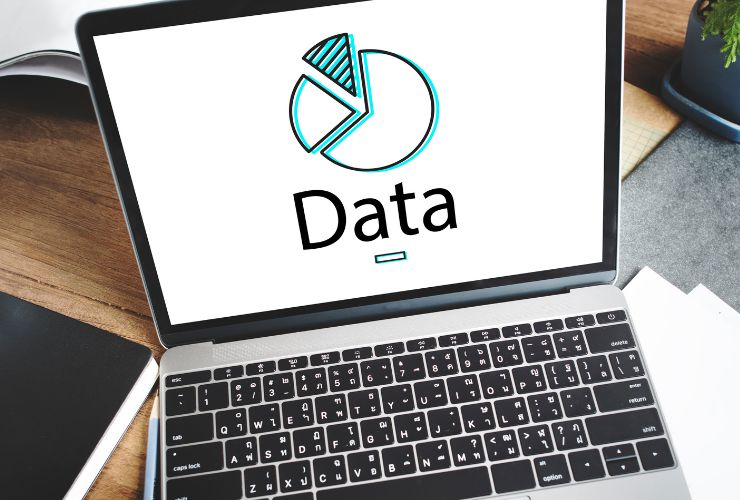
In the current digital landscape, contemporary applications are increasingly reliant on databases for storage, processing, and delivery of information in real time. As user expectations heighten and systems grow in complexity, this has changed the role of database monitoring from a backend task, to a mission-critical function. Monitoring effectively ensures performance, while simultaneously strengthening security, improving uptime, and fostering seamless experiences.
This article will explore why monitoring is essential, aspects of what to monitor, and how monitoring contributes to the stability and success of modern systems.
1. The importance of monitoring databases
A database is typically the backbone of many applications. If it experiences latency or fails, the whole system suffers, whether that be through delayed page loads, failed transactions, or complete outages. Monitoring is a method for teams to catch issues before they affect users.
Reasons why monitoring can be essential:
- Performance Assurance: Identify poorly performing transactions, resource bottlenecks, and inefficient indexing.
- Proactive issue detection: Identify anomalies before they exceed a threshold and become complete system failures.
- Security: Identify unauthorized attempts to access the database and suspicious activity patterns.
- User experience: Fast, reliable databases translate to smooth application performance.
- Capacity planning: By monitoring growth trends, the team can plan for an increase in traffic or a database infrastructure upgrade.
2. Core Metrics to Monitor
It is just as important to know what to monitor as it is to monitor the database. Here are some key metrics to monitor:
a. Query Performance
The single biggest contributor to database lag is slow or poor-performing queries. Monitoring total execution, execution time, and execution frequency will help you identify queries that will benefit from improvements.
b. CPU and Memory Usage
Excessive resource consumption can indicate improper indexing, inefficient queries, or overloaded servers.
c. Disk I/O
Monitoring read/write speeds allows you to determine if your storage subsystem can handle your application’s workload.
d. Connection Usage
A spike in the number of active connections may indicate increased traffic or a connection leak in the application.
e. Index Health
If indexes are missing or fragmented, this will negatively impact performance. Monitoring index usage and ensuring in-use indexes are defragmented will ensure queries execute in the most efficient manner.
f. Replication and Backup Status
If the application is in a production environment (or even in a distributed environment), issues with replication lag or failed backups can pose significant risk.
3. Advantages of Efficient Database Monitoring
a. Improved Performance and Reliability
Monitoring brings awareness to inefficiencies, which allows the team to improve problems with queries, tune configurations, and upgrade hardware before reliability is impacted.
b. Decreased Downtime
By being proactive, you can eliminate outages, allowing the team to handle issues before they are able to store and access the data. Alarms allow proactive engagement.
c. Increased Security and Compliance
Monitoring can help detect data breaches, unusual login patterns, and unauthorized changes, which can help satisfy industry rules based on regulations.
d. Cost Optimization
Understand who accesses the usage of the database offers the benefit in being better informed about when to scale up or down and thus makes the organization efficient.
e. Better Development and deploy ability
Monitoring can provide insight into how custom changes, such as adding a new code, deploying new code, or implementing a schema change impact performance.
4. Monitoring Solutions and Strategies
Most databases today have some level of built-in monitoring, and there are many third-party tools to increase transparency around usage and performance. Some examples are:
- Performance dashboards of service SQL server, MySQL, PostgreSQL and MongoDB
- Cloud platforms with monitoring tools like AWS CloudWatch, Azure Monitor, and Google Operations
- Third party development and solutions such as New Relic, Datadog, Prometheus, Solarwinds, are designed to monitor many environments and can be installed to provide real-time analytics, and intelligent alerts and alerts with visual dashboards.
5. Best Practices for Effective Monitoring
- Establish Immediate Alerts: Inform teams of violations of thresholds.
- Monitor Patterns, Not Just Events: Patterns provide insight into long-term issues.
- Automate Responses: Use scripts or integrations to automate responses to common issues.
- Review Logs on a Regular Basis: Logs contain rich information about user behaviors and errors.
- Test The Database Backups: You want to ensure you can recover data.
- Integrate Monitoring Within DevOps: By implementing monitoring as a continuous model, deploys can be done with more confidence and efficiency.
Conclusion
Database monitoring is no longer a nice-to-have, but rather a critical foundation for application performance and reliability. As environments become more complicated and users become more demanding, proactive monitoring ensures organizations are able to keep environments running smoothly, securely and not incur costly downtime.
Whether you are running a small application or a global enterprise system, investing in a quality database monitoring system will ensure that the infrastructure is healthy, responsive and ready to assist in scaling its business.
Contact Us Today